
Gujarati Dal Dhokali
The one-pot comfort meal that tastes like Sunday at Maa's
Prep
20 min
Cook
40 min
Total
60 min
Serves
4 people
Cals
390 kcal
Gujarati Dal Dhokali
The one-pot comfort meal that tastes like Sunday at Maa's
foodiegujarati.com/recipes/gujarati-dal-dhokali
In most Gujarati homes, dal dhokali is not really a recipe. It is just what you make on slow afternoons when the fridge is half-empty, the family is hungry, and you want something that feels like a hug in a bowl. Wheat flour dhokali pieces swimming in a thick, tangy tuver dal, with peanuts tucked in and a final vaghar (tempering) that makes the whole kitchen smell like home. This is Gujarati dal dhokali, and it has been feeding families for generations without ever needing to impress anyone.
Dal dhokali is a classic Gujarati one-pot dish that sits somewhere between a dal and a dumpling soup. It is most popular in Gujarat and parts of Rajasthan, and traditionally eaten as a wholesome lunch or dinner. The dhokali dough is made from whole wheat flour and besan (chickpea flour), spiced lightly and rolled thin, then cut into squares that are dropped directly into the simmering dal. As they cook, they soak up all the sweet, sour, and spicy notes of the dal and become soft, chewy, and completely addictive. Every household has its own version, its own balance of jaggery and lemon, its own tempering order.
This version is the one I go back to every time. The dal is pressure-cooked properly with peanuts so everything is soft and full of flavour from the start. The dhokali pieces are made with just the right amount of spice in the dough itself, so they add to the dal rather than just floating in it. If you have been meaning to try making dal dhokali at home, today is the day. It is simpler than it looks, and the result is genuinely outstanding.
Why You'll Love This
Peanuts Cooked In
Pressure-cooking the peanuts directly with the dal means they absorb all the spice and flavour from the inside out. You skip an entire separate boiling step and get richer, creamier peanuts in every spoonful.
Spiced Dhokali Dough
The wheat and besan dough is seasoned with chilli, turmeric, and coriander powder before it goes anywhere near the dal. This means every dhokali piece carries flavour of its own, not just what it absorbs from the liquid.
Sweet-Sour Balance
Jaggery and lemon juice together create that signature Gujarati meetha-khatta (sweet-sour) depth that sets this dal apart from a plain toor dal. Getting this balance right is what makes it taste like a proper Gujarati kitchen.
Khushi's Pro Tip
I learned this after several batches of gummy dhokali: roll the dough thinner than you think you need to. About 2 to 3 mm is right. Thick dhokali stay doughy in the centre and make the dal starchy and heavy. Thin pieces cook through evenly and become perfectly chewy without clouding the dal.
Star Cast
Key Ingredients
Tuver Dal (Split Pigeon Peas)
Tuver dal is the backbone of this dish and cannot be substituted. It cooks down to a thick, creamy consistency that holds the dhokali pieces beautifully. Under-cooked dal will be grainy and unpleasant, so pressure-cook it fully until every grain has collapsed and blended smooth.
Wheat Flour and Besan Dough
Using a combination of whole wheat flour and besan gives the dhokali pieces a slightly nutty flavour and a texture that stays firm enough not to dissolve in the dal but soft enough to eat without effort. Using only wheat flour makes them too bland; using too much besan makes them heavy.
Jaggery
Jaggery (gur) gives Gujarati dal dhokali its distinctive sweetness that balances the tang of tomato and lemon. Do not skip it or replace it with sugar if you can help it. Jaggery has a deeper, more complex sweetness that sugar simply cannot replicate in this dish.
Tempering Spices (Vaghar)
The final vaghar with mustard seeds, cumin, dried red chillies, asafoetida, and whole spices like tej patta and laung is not decorative. It is what ties the entire dish together and adds a layer of aromatic warmth that the simmered dal alone cannot produce.
Cook Along
Ingredients
The Dal and Peanuts
- 1½ cupTuver dal (split pigeon peas)(soaked for 30 minutes, drained)
- ¼ cupRaw peanuts
- 1 tspTurmeric powder
- 1 tspOil
- Salt(as per taste)
The Spiced Dhokali Dough
- 1 cupWhole wheat flour
- ¼ cupBesan (chickpea flour)
- 1 tspRed chilli powder
- 1 tspTurmeric powder
- 1 tspCoriander powder
- 2 tbspOil
- Salt(as per taste)
The Dal Masala
- 1 mediumTomato(cut into small pieces)
- 1 tspTurmeric powder
- 1 tspRed chilli powder
- 1 tspCoriander powder
- 1 tspGaram masala
- 3 to 4Curry leaves
- 2 tbspJaggery(grated or broken into small pieces)
- Lemon juice(squeezed fresh, as per taste)
The Vaghar (Tempering)
- 3 tbspOil
- 1 tspMustard seeds
- 1 tspCumin seeds
- 3 Sukhi lal mirch (dried red chillies)
- 3 to 4Whole spices (tej patta and laung)(tej patta is bay leaf, laung is cloves)
- ½ tspAsafoetida (hing)
- Fresh green coriander leaves(finely chopped, for garnish)
Instructions
Tap a step number to mark it done as you cook.
Pressure Cook the Dal and Peanuts
- Place the soaked tuver dal, raw peanuts, 1 tsp turmeric powder, 1 tsp oil, salt to taste, and enough water to cover by about 2 inches into a pressure cooker.
- Close the lid and cook on medium-high flame for 3 to 4 whistles, or until the dal grains are completely soft and the peanuts are tender when pressed between your fingers.
- Turn off the flame and let the pressure release naturally. Do not rush this step by running the cooker under cold water, as the dal needs to finish steaming inside.
Make the Spiced Dhokali Dough
- While the pressure cooker is working, combine 1 cup whole wheat flour, ¼ cup besan, 1 tsp red chilli powder, 1 tsp turmeric powder, 1 tsp coriander powder, and salt to taste in a large bowl.
- Add 2 tbsp oil and rub it into the flour mixture using your fingertips until it resembles coarse breadcrumbs. This step is important because it makes the dough tender and prevents the dhokali from becoming too hard.
- Add water a little at a time and knead into a smooth, firm dough. It should not be soft like roti dough. Firm dough rolls thin without tearing and holds its shape in the boiling dal. Cover and rest for 10 minutes.
Blend and Season the Dal
- Open the pressure cooker once the pressure has fully released. Using a hand blender or a regular blender, blend the cooked tuver dal until it is completely smooth with no visible grains. The texture should be thick and creamy.
- Transfer the blended dal back to a wide, heavy-bottomed pot or kadhai on medium flame. Add the boiled peanuts, chopped tomato pieces, 1 tsp turmeric powder, 1 tsp red chilli powder, 1 tsp coriander powder, 1 tsp garam masala, and curry leaves.
- Stir everything together and let the dal come to a steady, gentle boil on medium flame. It will take about 5 minutes. The tomatoes will soften and the spices will open up into the dal.
Roll and Cut the Dhokali
- Divide the rested dough into 2 or 3 portions. On a lightly floured surface, roll each portion into a large, thin roti about 2 to 3 mm thick. Rolling it thinner than you expect is key here.
- Using a knife or a pastry cutter, cut the rolled roti into square pieces roughly 1.5 to 2 inches in size. The size does not need to be perfect, but try to keep them roughly even so they cook at the same rate.
Cook the Dhokali in the Dal
- Once the dal is gently boiling, drop the dhokali squares in one by one, stirring gently after each addition so they do not stick to each other.
- Add lemon juice to taste and 2 tbsp jaggery to the dal now. Stir gently and taste. Adjust salt, lemon, and jaggery until you reach a balance of sweet, sour, and spicy that feels right to you.
- Let the dal and dhokali simmer together on low-medium flame for 12 to 15 minutes, stirring every few minutes. The dhokali will puff very slightly and turn tender. The dal will thicken as the dhokali cooks. If it gets too thick, add a splash of hot water and stir.
The Vaghar — Where the Magic Happens
- In a small tempering pan, heat 3 tbsp oil on medium-high flame until it is hot and shimmering. You will see faint wisps of heat rising from the surface.
- Add the mustard seeds first and let them crackle completely, about 20 to 30 seconds. Then add the cumin seeds, dried red chillies, and whole spices (tej patta and laung). Let everything sizzle for 30 seconds until fragrant.
- Add the asafoetida last and immediately pour the entire vaghar over the simmering dal dhokali. You will hear a loud, satisfying sizzle. Stir gently to distribute the tempering through the dal.
Serve Hot with Fresh Coriander
- Ladle the dal dhokali into deep bowls or serve it directly from the pot. It should be the consistency of a thick, hearty soup with the dhokali pieces floating throughout.
- Scatter freshly chopped green coriander (dhania) generously over the top. Serve immediately while everything is hot, with a drizzle of ghee on top if you like.
Pairs Perfectly With
Storage & Make-Ahead
Dal dhokali is best eaten fresh while the dhokali pieces are still tender. Leftovers keep in the refrigerator for up to 2 days in an airtight container. Reheat on the stovetop with a splash of water as the dal will thicken considerably when cold. Freezing is not recommended as the dhokali pieces become mushy on thawing.
Try These Too
Instant Pot or Electric Cooker Version
Cook the dal and peanuts in an Instant Pot on high pressure for 12 minutes with a natural pressure release. This gives you hands-free dal while you prepare the dhokali dough, cutting total active time significantly and producing an equally smooth result.
Methi Dhokali
Add 2 tbsp finely chopped fresh methi (fenugreek) leaves to the dhokali dough while kneading. The slight bitterness of methi cuts through the sweetness of the jaggery in the dal and adds a layer of flavour that is especially popular in winter months.
Ghee-Rich Festival Version
Replace the oil in the vaghar with 2 tbsp pure ghee and drizzle an additional teaspoon of ghee into each bowl before serving. The richness elevates the dish for special occasions and gives the dal a deeper, nuttier warmth that plain oil cannot achieve.
Affiliate
Shop the Recipe

Tuver Dal
Good quality tuver dal cooks evenly and blends to a smooth, creamy consistency that is essential for dal dhokali with the right body and texture.
Buy on Amazon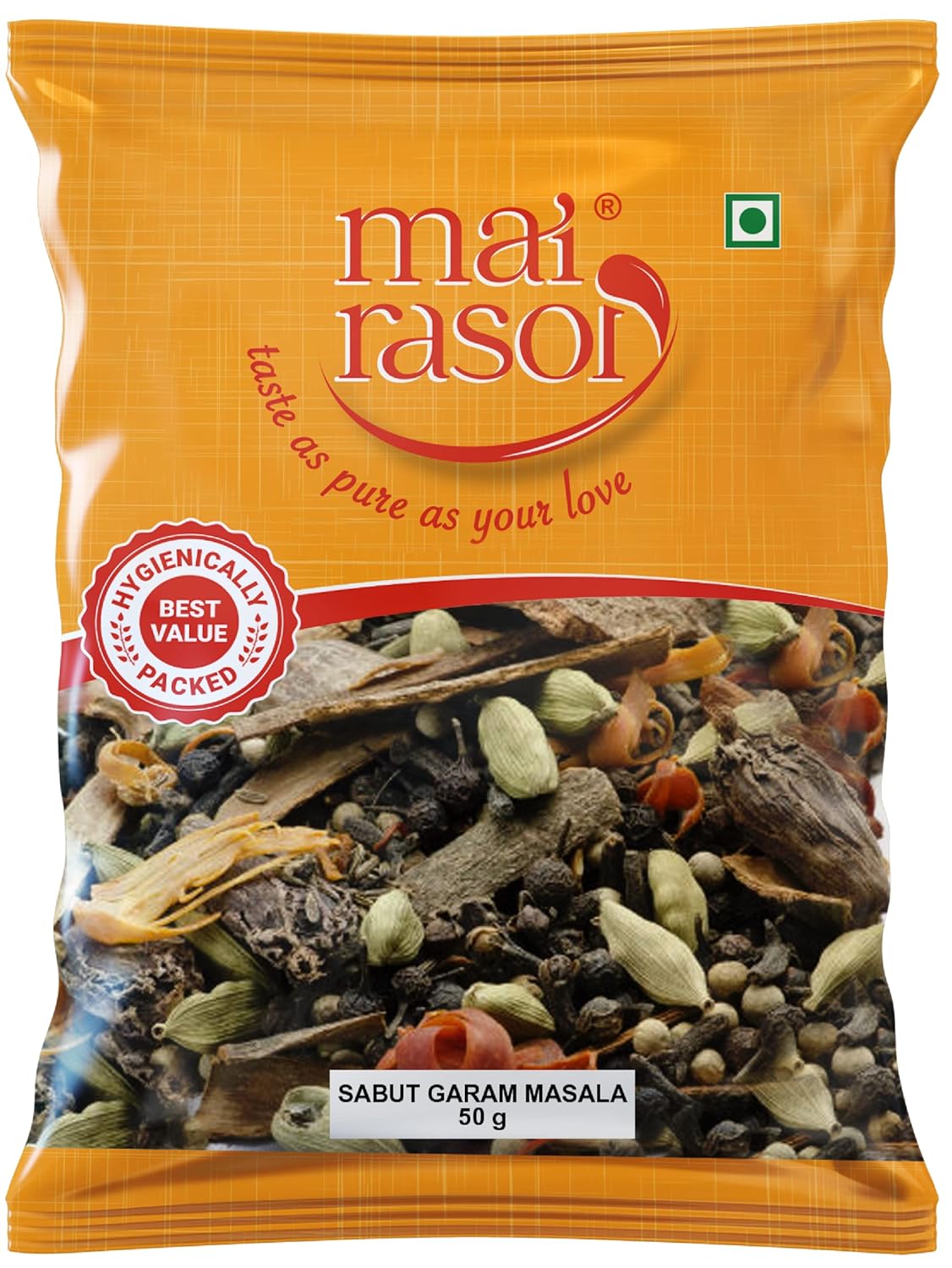
Spices
Fresh ground coriander, turmeric, and chilli powder directly affect the flavour depth of the dal and the dhokali dough in this recipe.
Buy on Amazon
Wheat Flour
Whole wheat flour with a fine texture makes dhokali pieces that are firm enough to hold their shape in simmering dal without turning mushy.
Buy on Amazon* Some links are affiliate links. Clicking and purchasing may earn a small commission at no extra cost to you.
Frequently Asked Questions
Enjoyed this recipe?
Rate this recipe
Similar Posts


Never Miss a Recipe
From Khushi's Kitchen
to your inbox
New recipes, seasonal specials, and kitchen stories — no spam, ever.
No spam. Unsubscribe anytime.